
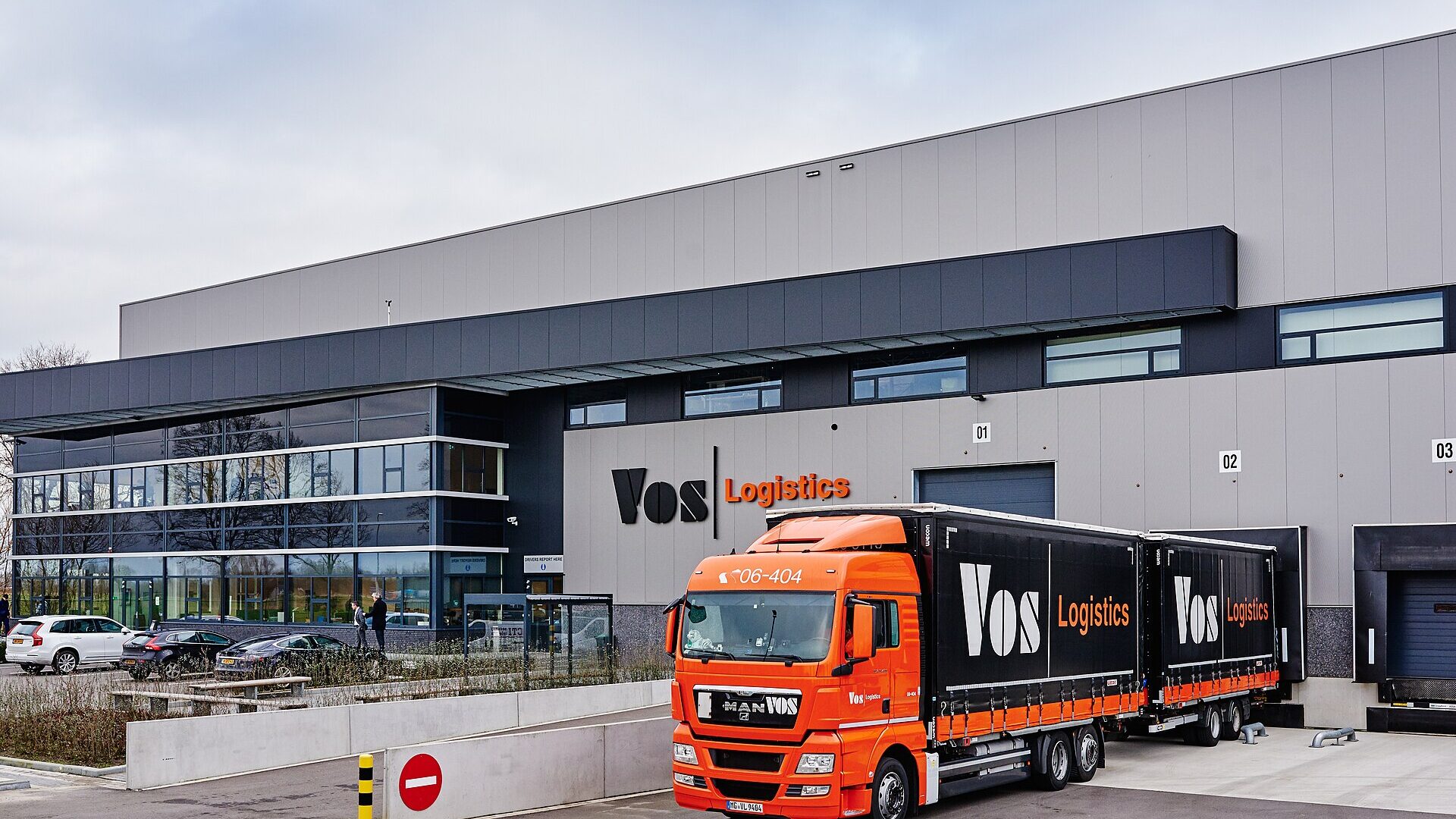
Most shippers default to LTL the moment a load drops below a full truckload — and overpay or under-deliver every time. Here's the real 2026 decision framework: where LTL still wins, where a regional box truck quietly beats it on cost and transit, and the five lane patterns where the wrong choice costs you 30–60% on every shipment.
If you ship 3–14 pallets across NY, NJ, CT, and PA, you've probably been told the same thing for ten years: anything under a full truckload should ride LTL. That advice was right in 2014. In 2026 — with regional box truck networks priced below national LTL on a growing list of lanes, terminal handling fees that didn't exist five years ago, and same-day windows LTL physically can't hit — the default is wrong as often as it's right.
This guide breaks down LTL vs box truck shipping the way procurement teams should actually evaluate it: by lane density, pallet count, time sensitivity, freight class exposure, and damage risk. We'll walk through the cost math on three real Northeast lanes, show you the five decision rules to apply in under 60 seconds, and tell you the exact thresholds where the call flips.
What LTL and box truck shipping actually are (and where the line moves in 2026)
Before the math, the definitions — because most "LTL vs box truck" arguments online conflate two different products.
Less-Than-Truckload (LTL) is hub-and-spoke shipping. Your pallets ride a regional pickup truck to a terminal, get cross-docked, ride a line-haul trailer to a destination terminal, get cross-docked again, then ride a city truck to the receiver. Three to five touches per shipment, transit measured in business days, pricing driven by NMFC freight class, pallet count, density, accessorials, and zone-to-zone tariffs.
Box truck (regional LTL alternative) is a dedicated 16–26 foot straight truck that picks up and drops off the same load — no terminal touch, no re-stacking, no class lookup. One driver, one truck, one delivery. Pricing is driven by lane distance, dock-window risk, and toll exposure (see our 2026 NY/NJ box truck rate guide for the full breakdown).
The structural difference: LTL spreads cost across many shippers by sharing trailer space and amortizing line-haul cost across a network. A box truck dedicates capacity to your shipment. LTL wins when network amortization is bigger than your direct-cost penalty. A box truck wins the second that flips.
Why the 2026 line is moving toward box trucks for regional Northeast lanes
Three forces are quietly reshaping the math, especially for Northeast shippers:
- LTL accessorial creep: liftgate fees, residential delivery surcharges, limited-access fees, reclassification charges, and inside-delivery line items have grown faster than base rates for five straight years. The "base rate" you compare on a quote is increasingly fictional.
- Reclassification risk: if the carrier's terminal scale reads even slightly heavier or denser than your BOL declared, a Class 70 quote becomes a Class 100 invoice — sometimes 30–45 days after delivery. That's not a quote; that's a guess.
- Box-truck capacity glut on Northeast corridors: the same density that makes NY/NJ punishing on long-haul makes it efficient for regional box trucks. Operators run two to four loads a day in the same metro — cost-per-shipment falls without raising your rate.
The 2026 cost-comparison framework — three real Northeast lanes
The cleanest way to make this decision is to price both options on the same lane with realistic accessorials, not list rates. Here are three representative lanes we quote against active LTL benchmarks every week.
Lane 1: Edison, NJ → Bronx, NY (38 miles, 6 pallets, 4,200 lbs, Class 70)
| Cost driver | LTL (national carrier) | Box truck (regional) |
|---|---|---|
| Base rate | $312 | — |
| Fuel surcharge (28–34%) | $98 | included |
| Liftgate (delivery) | $95 | included |
| NYC delivery surcharge | $145 | included |
| Limited-access fee (Bronx) | $75 | n/a |
| Detention/dwell exposure | $0–$240 | included up to 2 hr |
| All-in delivered | $725–$965 | $525–$595 |
| Transit | 2 business days | Same-day (if booked by 1 PM ET) |
| Touches | 3–5 | 0 |
| Damage probability | ~3–5% | <1% |
On dense urban Northeast lanes with metro-area accessorials, the box truck wins on every dimension that matters to a procurement scorecard.
Lane 2: Newark, NJ → Hartford, CT (117 miles, 4 pallets, 2,800 lbs, Class 85)
| Cost driver | LTL | Box truck |
|---|---|---|
| Base rate | $268 | — |
| Fuel surcharge | $76 | included |
| Liftgate (one side) | $95 | included |
| Detention exposure | $0–$160 | included |
| Reclassification risk (Class 85 → 92.5) | $0–$95 expected | n/a |
| All-in delivered | $439–$694 | $510–$580 |
| Transit | 1–2 business days | Same-day or next-morning |
| Touches | 3 | 0 |
Here the math is closer. LTL wins on the base lane economics if the shipment is clean, the dock windows are wide, and the freight class holds. Box truck wins on certainty and damage profile. Procurement should pick based on which risk costs the business more: variable invoice ($439–$694 with reclass exposure) or paying $80 extra for one fixed number.
Lane 3: Linden, NJ → Allentown, PA (78 miles, 12 pallets, 9,400 lbs, Class 60)
| Cost driver | LTL | Box truck |
|---|---|---|
| Base rate | $612 | — |
| Fuel surcharge | $172 | included |
| Density-based reclassification floor | $0–$140 | n/a |
| Dock-appointment fee | $45 | n/a |
| All-in delivered | $829–$969 | $685–$745 |
| Transit | 1 business day | Same-day |
| Touches | 3 | 0 |
At 12 pallets the LTL trailer is committing real linear feet, which kills the "shared trailer" economics. A 12-pallet shipment on a regional lane is the classic spot where box truck quietly wins by 18–25% and 24 hours.
The five decision rules — when LTL vs box truck flips
Apply these in order. The first rule that matches gives you the answer.
Rule 1: Pallet count and linear feet
- 1–3 standard pallets, low density, ≥48-hour lead time: LTL almost always wins on cost. The shared trailer amortization is bigger than any accessorial sting.
- 4–8 pallets: the gray zone — quote both. The accessorials and lane density decide it.
- 9–14 pallets or >12 linear feet: box truck wins on cost and transit on most Northeast lanes. You're paying for a half-trailer's worth of space anyway; might as well buy the whole truck.
- 15+ pallets / >24 linear feet: that's a full truckload (FTL), different conversation.
Rule 2: Time sensitivity
If the receiver has a same-day or next-morning requirement, LTL is physically not the right tool. LTL transit is built around hub cut-off schedules — Friday 1 PM pickups in NJ that need to be in Hartford by Monday open are routine; same NJ pickup needing Hartford by 5 PM today is not an LTL job. Time-critical shipments default to box truck or expedited dedicated.
Rule 3: Freight class exposure
If your freight class is borderline (60–85) and the density math is tight, LTL becomes a coin flip with downside. A reclassification on delivery can wipe out the price advantage and arrive on an invoice 30 days after the freight cleared. If reclassification risk is real, the certainty of a flat box-truck rate is worth $50–$100 of premium.
Rule 4: Damage and handling risk
LTL freight is handled 3–5 times. Each handling is a damage event statistically — fragile, top-heavy, or repacked-once-and-it's-scrap freight (electronics, glass, food displays, pre-assembled furniture, printed packaging) has materially higher claim rates on LTL. If a single damaged pallet kills the unit economics of the shipment, the LTL "savings" are a gamble.
Rule 5: Receiver characteristics
A box-truck-friendly receiver — limited dock, no terminal account, no liftgate available, narrow alley access, a residential or small-commercial address — multiplies LTL accessorials and stretches transit. Per Bureau of Transportation Statistics data on freight transportation patterns, residential and limited-access deliveries are the fastest-growing accessorial categories in LTL pricing. Anything to a non-terminal-friendly receiver should default to box truck unless cost is decisively LTL-favored after all accessorials.
What most "LTL vs box truck" comparisons get wrong
Online comparisons typically benchmark list LTL rates against estimated box truck rates and call it. Three things they miss every time.
1. Accessorials are not optional add-ons — they're 30–50% of the real LTL bill
By the time a Bronx delivery with a liftgate, residential surcharge, and NYC zip fee finishes settling, the "base rate" is barely half the invoice. Compare all-in to all-in, or don't compare.
2. Box truck "rates" already include what LTL bills separately
A clean box truck quote bakes in fuel, tolls, two-hour detention, basic liftgate access, and standard accessorials. The number you see is the number you pay. That's a procurement-team-friendly feature, not a coincidence.
3. Damage claims and reclassification adjustments arrive after the audit close
The cleanest LTL invoice still leaves the shipper exposed to reclassification charges and damage claims that resolve weeks later. Direct-shipment box truck shipments close on delivery — no audit window, no reclassification ambush, no damage triage. The accounting clarity alone is worth real dollars to a procurement org.
Where LTL is still the right answer in 2026
Box trucks don't beat LTL everywhere. Honest framework:
- Long-haul over 600 miles with 1–4 pallets and no time pressure — LTL network amortization is structurally better than a single dedicated driver going one way.
- High-volume, terminal-to-terminal shipments between two big shippers with existing carrier accounts and clean dock-to-dock dynamics — LTL is built for this.
- Stackable, low-density, low-value freight with wide delivery windows — exactly the pattern LTL was designed to serve.
- Cross-country lanes outside regional box-truck operating radius — no box-truck network can match a national LTL line-haul on Chicago→LA or Atlanta→Seattle.
If your shipment matches three of those four, LTL is probably right. If it matches one, get both quotes.
How to actually make the call in 60 seconds
Two questions, in this order:
- What's the all-in delivered cost on the same lane, both ways? Quote LTL with every accessorial loaded in (don't just compare base rates). Quote a box truck with the same dock windows.
- What's the cost of being wrong? Reclassification, damage, and a missed delivery window each have a dollar number. Add the expected value of those risks to the LTL quote before you compare. Most shippers skip this step and learn the hard way three invoices later.
On regional Northeast lanes with 4+ pallets, that two-question scan flips the answer about 40% of the time from "default LTL" to "box truck wins." The shippers running that scan every time are the ones whose freight spend isn't growing while everyone else's is.
Per FMCSA's Hours of Service rules, a dedicated box-truck driver has the same hard daily-driving limits that constrain LTL line-haul — so neither product gives you magic transit. What box trucks remove is the multi-touch hand-off cost and time penalty, which is the structural advantage on short lanes.
Get an instant binding quote — both options compared
Sultan Freight quotes box truck shipping with all-in pricing — fuel, tolls, standard accessorials, and a 2-hour detention buffer baked in. If your lane is one where LTL is the better answer, we'll tell you that too. Honest comparison takes 60 seconds.
Get a 60-second instant quote → for NY, NJ, CT, and PA same-day and next-day box truck shipping. See our full coverage map for current service zones and same-day cut-off times.
FAQ
Q: At what pallet count does a box truck become cheaper than LTL? A: On most Northeast regional lanes, the box truck breakeven sits around 6–8 pallets — and shifts down to 4–5 pallets the second urban-delivery accessorials are involved (liftgate, NYC/Bronx zip, residential, limited-access). Below 4 pallets on a clean dock-to-dock lane, LTL almost always wins.
Q: Is box truck shipping faster than LTL? A: For regional lanes under ~250 miles, yes — typically 1–2 business days faster because there are no terminal cross-docks. For long-haul over 600 miles, LTL line-haul networks are usually competitive on transit and structurally cheaper.
Q: What's the damage rate difference between LTL and box truck shipping? A: LTL freight is handled 3–5 times (origin pickup, origin terminal, line-haul, destination terminal, delivery). Each touch is a damage opportunity. Industry damage-claim rates on LTL typically sit at 2–5% of shipments. Box truck point-to-point shipments measure under 1% in our network because there's no terminal handling.
Q: How does freight class affect the LTL vs box truck decision? A: LTL pricing is driven by NMFC freight class — your declared class determines the rate. If your terminal-scale density misses your declared class, the carrier reclassifies and bills the difference, often 30–45 days post-delivery. Box truck pricing has no freight class — the rate is set by lane, weight, and dock windows. If your freight has reclassification exposure, box truck pricing eliminates that risk.
Q: Can a box truck handle a residential or limited-access delivery cheaper than LTL? A: Almost always, yes. LTL stacks accessorials for residential delivery, liftgate, limited access, and inside delivery — each as a separate line item. A box truck quote folds those into the all-in rate. On a Bronx residential delivery with liftgate, the box truck rate is routinely 20–40% lower than LTL's all-in number.
Q: When does LTL still beat box truck shipping in 2026? A: Long-haul (600+ miles), 1–3 pallets with wide delivery windows, stackable low-density freight, terminal-to-terminal lanes between established carrier accounts, and cross-country routes outside the regional box-truck operating radius. LTL was built for this pattern and still serves it efficiently.
Q: What's the typical transit time for a box truck shipment in NY/NJ/CT/PA? A: Same-day if booked before 1 PM ET on confirmed quote, next-morning if booked after 1 PM. Average transit on the 4-state regional network is 4–9 hours from pickup to delivery, with 98.7% on-time across our 2025 delivery dataset.
Take the test — quote both, pick the winner
The shippers who get freight pricing right in 2026 aren't loyal to a mode. They quote both LTL and box truck on every shipment over 4 pallets and let the all-in number decide. That discipline is worth 15–30% on annual freight spend without renegotiating a single contract.
Get a binding box truck quote in 60 seconds → — compare it side-by-side with your LTL number, and let the math make the call.
La mayoría de los shippers tiran LTL apenas la carga baja de un truckload entero — y terminan pagando de más o entregando tarde cada vez. Este es el framework de decisión 2026 real: dónde LTL todavía gana, dónde un box truck regional la rompe en costo y tránsito, y los cinco patrones de lane donde la decisión equivocada te cuesta 30–60% por embarque.
Si despachás 3 a 14 pallets entre NY, NJ, CT y PA, te vienen diciendo lo mismo hace diez años: todo lo que esté por debajo de un truckload completo va por LTL. Ese consejo era correcto en 2014. En 2026 — con redes regionales de box truck cotizando por debajo del LTL nacional en cada vez más lanes, accessorials de terminal que no existían hace cinco años y ventanas same-day que el LTL físicamente no puede pegar — el default está equivocado tan seguido como acertado.
Esta guía descompone LTL vs box truck shipping como los equipos de procurement realmente deberían evaluarlo: por densidad de lane, cantidad de pallets, sensibilidad de tiempo, exposición a freight class y riesgo de damage. Recorremos la matemática real en tres lanes del Northeast, te damos las cinco reglas de decisión que se aplican en menos de 60 segundos, y te marcamos los thresholds exactos donde la respuesta se da vuelta.
Qué es realmente LTL y qué es box truck shipping (y dónde se mueve la línea en 2026)
Antes de la matemática, las definiciones — porque la mayoría de las peleas online de "LTL vs box truck" confunden dos productos distintos.
Less-Than-Truckload (LTL) es shipping hub-and-spoke. Tus pallets viajan en un camión de pickup regional hasta una terminal, los cross-dockean, suben a un line-haul hasta la terminal de destino, los cross-dockean de nuevo y los lleva un city truck al receiver. Tres a cinco touches por embarque, tránsito medido en días hábiles, pricing manejado por NMFC freight class, cantidad de pallets, densidad, accessorials y tarifas zona-a-zona.
Box truck (regional LTL alternative) es un straight truck dedicado de 16 a 26 pies que pickup y delivery la misma load — sin terminal, sin re-stack, sin lookup de class. Un driver, un camión, un delivery. El pricing lo maneja distancia del lane, riesgo de ventana de dock y exposición a tolls (mirá nuestra guía de tarifas box truck NY/NJ 2026 para el desglose completo).
La diferencia estructural: LTL distribuye el costo entre muchos shippers compartiendo espacio de trailer y amortizando el line-haul a través de la red. Un box truck dedica capacidad a tu embarque. LTL gana cuando la amortización de la red es más grande que el penalty de costo directo. Un box truck gana en el segundo en que eso se da vuelta.
Por qué en 2026 la línea se mueve hacia box truck en lanes regionales del Northeast
Tres fuerzas vienen reformulando la matemática en silencio, sobre todo para shippers del Northeast:
- Creep de accessorials LTL: liftgate fees, residential delivery surcharges, limited-access fees, cargos de reclassification y line items de inside delivery crecieron más rápido que las tarifas base por cinco años seguidos. La "tarifa base" que comparás en una cotización es cada vez más ficticia.
- Riesgo de reclassification: si la balanza de terminal del carrier marca apenas más pesado o más denso que lo que tu BOL declaró, una cotización Class 70 se convierte en factura Class 100 — a veces 30 a 45 días después del delivery. Eso no es una cotización; es una adivinanza.
- Glut de capacidad de box truck en corredores del Northeast: la misma densidad que hace NY/NJ castigador para long-haul lo hace eficiente para box trucks regionales. Los operadores corren dos a cuatro loads por día en la misma metro — el costo por embarque baja sin que te suban la tarifa.
El framework de comparación de costos 2026 — tres lanes reales del Northeast
La forma más limpia de tomar esta decisión es cotizar las dos opciones en el mismo lane con accessorials realistas, no tarifas de lista. Acá van tres lanes representativos que cotizamos contra benchmarks LTL activos cada semana.
Lane 1: Edison, NJ → Bronx, NY (38 millas, 6 pallets, 4,200 lbs, Class 70)
| Driver de costo | LTL (carrier nacional) | Box truck (regional) |
|---|---|---|
| Tarifa base | $312 | — |
| Fuel surcharge (28–34%) | $98 | incluido |
| Liftgate (delivery) | $95 | incluido |
| NYC delivery surcharge | $145 | incluido |
| Limited-access fee (Bronx) | $75 | n/a |
| Exposición a detention/dwell | $0–$240 | incluido hasta 2 hs |
| All-in entregado | $725–$965 | $525–$595 |
| Tránsito | 2 días hábiles | Same-day (si booked antes de 1 PM ET) |
| Touches | 3–5 | 0 |
| Probabilidad de damage | ~3–5% | <1% |
En lanes urbanos densos del Northeast con accessorials metropolitanos, el box truck gana en cada dimensión que le importa a una scorecard de procurement.
Lane 2: Newark, NJ → Hartford, CT (117 millas, 4 pallets, 2,800 lbs, Class 85)
| Driver de costo | LTL | Box truck |
|---|---|---|
| Tarifa base | $268 | — |
| Fuel surcharge | $76 | incluido |
| Liftgate (un lado) | $95 | incluido |
| Exposición a detention | $0–$160 | incluido |
| Riesgo de reclassification (Class 85 → 92.5) | $0–$95 esperado | n/a |
| All-in entregado | $439–$694 | $510–$580 |
| Tránsito | 1–2 días hábiles | Same-day o next-morning |
| Touches | 3 | 0 |
Acá la matemática está más pareja. LTL gana en la economía base del lane si el embarque está limpio, las ventanas de dock son anchas y la freight class se sostiene. Box truck gana en certeza y perfil de damage. Procurement debería elegir según qué riesgo le cuesta más al negocio: una factura variable ($439–$694 con exposición a reclass) o pagar $80 extra por un número fijo.
Lane 3: Linden, NJ → Allentown, PA (78 millas, 12 pallets, 9,400 lbs, Class 60)
| Driver de costo | LTL | Box truck |
|---|---|---|
| Tarifa base | $612 | — |
| Fuel surcharge | $172 | incluido |
| Piso de reclassification por densidad | $0–$140 | n/a |
| Dock-appointment fee | $45 | n/a |
| All-in entregado | $829–$969 | $685–$745 |
| Tránsito | 1 día hábil | Same-day |
| Touches | 3 | 0 |
A 12 pallets, el trailer de LTL está comprometiendo linear feet reales, lo cual mata la economía del "trailer compartido". Un embarque de 12 pallets en un lane regional es el lugar clásico donde el box truck gana en silencio por 18–25% y 24 horas.
Las cinco reglas de decisión — cuándo se da vuelta LTL vs box truck
Aplicalas en orden. La primera regla que matchea te da la respuesta.
Regla 1: Cantidad de pallets y linear feet
- 1–3 pallets estándar, baja densidad, ≥48 horas de lead time: LTL gana en costo casi siempre. La amortización del trailer compartido es más grande que cualquier sting de accessorial.
- 4–8 pallets: la zona gris — cotizá ambos. Los accessorials y la densidad del lane lo deciden.
- 9–14 pallets o >12 linear feet: box truck gana en costo y tránsito en la mayoría de los lanes del Northeast. Ya estás pagando por medio trailer; aprovechá y comprate todo el camión.
- 15+ pallets / >24 linear feet: eso es full truckload (FTL), otra conversación.
Regla 2: Sensibilidad de tiempo
Si el receiver tiene requirement same-day o next-morning, LTL físicamente no es la herramienta. El tránsito de LTL está armado alrededor de hub cut-offs — pickups en NJ los viernes a la 1 PM que tienen que estar en Hartford el lunes a la apertura son rutina; el mismo pickup NJ que tiene que estar en Hartford a las 5 PM hoy no es un job para LTL. Embarques time-critical van por default a box truck o expedited dedicado.
Regla 3: Exposición a freight class
Si tu freight class está en el borde (60–85) y la matemática de densidad está justa, LTL se vuelve cara o ceca con downside. Una reclassification en delivery puede borrar la ventaja de precio y aparecer en una factura 30 días después de que la carga ya se cerró. Si el riesgo de reclassification es real, la certeza de una tarifa flat de box truck vale $50–$100 de premium.
Regla 4: Riesgo de damage y handling
El freight LTL se maneja 3 a 5 veces. Cada handling es un evento de damage estadísticamente — freight frágil, top-heavy o repacked-once-y-listo-es-basura (electrónica, vidrio, food displays, muebles pre-armados, packaging impreso) tiene tasas de claim materialmente más altas por LTL. Si un solo pallet dañado mata la unit economics del embarque, los "ahorros" del LTL son un volado.
Regla 5: Características del receiver
Un receiver box-truck-friendly — dock limitado, sin cuenta de terminal, sin liftgate disponible, acceso por alley angosto, dirección residencial o small-commercial — multiplica los accessorials de LTL y estira el tránsito. Según los datos del Bureau of Transportation Statistics sobre patrones de freight transportation, los deliveries residenciales y limited-access son las categorías de accessorial que más rápido están creciendo en pricing de LTL. Cualquier cosa que vaya a un receiver no-terminal-friendly debería ir por default a box truck a menos que el costo sea decisivamente a favor de LTL después de todos los accessorials.
Lo que la mayoría de las comparaciones "LTL vs box truck" se pierde
Las comparaciones online típicamente bench-markean tarifas LTL de lista contra tarifas estimadas de box truck y lo cierran ahí. Tres cosas se les escapan siempre.
1. Los accessorials no son add-ons opcionales — son el 30 a 50% de la factura real de LTL
Para cuando un delivery al Bronx con liftgate, residential surcharge y NYC zip fee termina de asentarse, la "tarifa base" es apenas la mitad de la factura. Compará all-in contra all-in, o no compares.
2. Las "tarifas" del box truck ya incluyen lo que LTL factura por separado
Una cotización limpia de box truck mete adentro fuel, tolls, dos horas de detention, liftgate básico y accessorials estándar. El número que ves es el número que pagás. Eso es un feature procurement-friendly, no una coincidencia.
3. Los damage claims y los ajustes por reclassification llegan después de que cierra la auditoría
La factura LTL más limpia igual deja al shipper expuesto a reclassification charges y damage claims que se resuelven semanas después. Embarques directos por box truck cierran en el delivery — sin ventana de auditoría, sin emboscada de reclassification, sin damage triage. La claridad contable sola vale dólares reales para una organización de procurement.
Dónde LTL todavía es la respuesta correcta en 2026
Los box trucks no le ganan a LTL en todos lados. Framework honesto:
- Long-haul sobre 600 millas con 1 a 4 pallets y sin presión de tiempo — la amortización de la red LTL es estructuralmente mejor que un driver dedicado yendo de un solo lado.
- Embarques de alto volumen terminal-a-terminal entre dos shippers grandes con cuentas de carrier existentes y dinámicas dock-a-dock limpias — LTL está construido para esto.
- Freight stackable, de baja densidad, de bajo valor con ventanas de entrega anchas — exactamente el patrón para el que LTL fue diseñado.
- Lanes cross-country fuera del radio operativo de box truck regional — ninguna red de box truck puede matchear un line-haul LTL nacional en Chicago→LA o Atlanta→Seattle.
Si tu embarque matchea tres de esos cuatro, LTL es probablemente correcto. Si matchea uno, conseguí las dos cotizaciones.
Cómo tomar la decisión en 60 segundos
Dos preguntas, en este orden:
- ¿Cuál es el costo all-in entregado en el mismo lane, las dos formas? Cotizá LTL con cada accessorial metido adentro (no compares solo tarifas base). Cotizá un box truck con las mismas ventanas de dock.
- ¿Cuál es el costo de equivocarte? Reclassification, damage y una ventana de delivery perdida tienen cada uno un número en dólares. Sumá el valor esperado de esos riesgos a la cotización de LTL antes de comparar. La mayoría de los shippers se saltean este paso y aprenden por las malas tres facturas después.
En lanes regionales del Northeast con 4+ pallets, ese escaneo de dos preguntas da vuelta la respuesta cerca del 40% de las veces de "default LTL" a "box truck gana". Los shippers que corren ese escaneo cada vez son los que tienen el gasto en freight que no crece mientras todos los demás sí.
Según las Hours of Service rules de FMCSA, un driver dedicado de box truck tiene los mismos límites duros diarios de manejo que restringen al line-haul LTL — así que ningún producto te da tránsito mágico. Lo que el box truck saca es el costo y penalty de tiempo del hand-off multi-touch, que es la ventaja estructural en lanes cortos.
Cotizá al instante — las dos opciones comparadas
Sultan Freight cotiza box truck shipping con pricing all-in — fuel, tolls, accessorials estándar y un buffer de detention de 2 horas metido adentro. Si tu lane es uno donde LTL es la mejor respuesta, te lo decimos también. Una comparación honesta lleva 60 segundos.
Cotizá al instante en 60 segundos → para box truck shipping same-day y next-day en NY, NJ, CT y PA. Mirá nuestro mapa de cobertura completo para ver zonas de servicio actuales y horarios de cut-off de same-day.
FAQ
P: ¿A partir de qué cantidad de pallets un box truck se vuelve más barato que LTL?
R: En la mayoría de los lanes regionales del Northeast, el breakeven del box truck se ubica alrededor de 6 a 8 pallets — y baja a 4 a 5 pallets en el segundo en que entran accessorials de delivery urbano (liftgate, NYC/Bronx zip, residential, limited-access). Por debajo de 4 pallets en un lane dock-a-dock limpio, LTL casi siempre gana.
P: ¿Box truck shipping es más rápido que LTL?
R: Para lanes regionales por debajo de ~250 millas, sí — típicamente 1 a 2 días hábiles más rápido porque no hay terminal cross-docks. Para long-haul sobre 600 millas, las redes de line-haul LTL suelen ser competitivas en tránsito y estructuralmente más baratas.
P: ¿Cuál es la diferencia en tasa de damage entre LTL y box truck shipping?
R: El freight LTL se maneja 3 a 5 veces (pickup en origen, terminal de origen, line-haul, terminal de destino, delivery). Cada touch es una oportunidad de damage. Las tasas de claim por damage en LTL típicamente están entre 2 y 5% de los embarques en la industria. Los embarques punto-a-punto en box truck miden por debajo del 1% en nuestra red porque no hay handling de terminal.
P: ¿Cómo afecta el freight class a la decisión LTL vs box truck?
R: El pricing de LTL lo maneja el NMFC freight class — tu class declarada define la tarifa. Si la densidad en la balanza de terminal no le pega a tu class declarada, el carrier reclasifica y factura la diferencia, a menudo 30 a 45 días post-delivery. El pricing de box truck no tiene freight class — la tarifa la fija el lane, el peso y las ventanas de dock. Si tu freight tiene exposición a reclassification, el pricing de box truck elimina ese riesgo.
P: ¿Un box truck puede manejar un delivery residencial o limited-access más barato que LTL?
R: Casi siempre, sí. LTL apila accessorials por residential delivery, liftgate, limited access e inside delivery — cada uno como un line item separado. Una cotización de box truck mete eso en la tarifa all-in. En un delivery residencial al Bronx con liftgate, la tarifa de box truck queda rutinariamente 20 a 40% por debajo del número all-in de LTL.
P: ¿Cuándo le sigue ganando LTL al box truck en 2026?
R: Long-haul (600+ millas), 1 a 3 pallets con ventanas de delivery anchas, freight stackable de baja densidad, lanes terminal-a-terminal entre cuentas de carrier establecidas y rutas cross-country fuera del radio operativo regional de box truck. LTL fue construido para este patrón y todavía lo sirve eficientemente.
P: ¿Cuál es el tiempo de tránsito típico para un embarque de box truck en NY/NJ/CT/PA?
R: Same-day si booked antes de 1 PM ET en cotización confirmada, next-morning si booked después de 1 PM. Tránsito promedio en la red regional de 4 estados es de 4 a 9 horas de pickup a delivery, con 98.7% on-time en nuestro dataset 2025.
Hacé la prueba — cotizá los dos, quedate con el ganador
Los shippers que aciertan en pricing de freight en 2026 no son fieles a un modo. Cotizan los dos, LTL y box truck, en cada embarque sobre 4 pallets y dejan que el número all-in decida. Esa disciplina vale 15–30% en el gasto anual de freight sin renegociar un solo contrato.
Cotizá un box truck en 60 segundos → — comparalo lado a lado con tu número LTL y dejá que la matemática haga la decisión.